

Cement based waterproofing products remain one of the most widely used waterproofing groups in modern construction because they work well on concrete and masonry surfaces and are commonly used in basements, water-retaining structures, wet areas and similar moisture-exposed zones. Official technical pages typically describe them as waterproof mortars, slurries or coatings used to reduce water infiltration and protect structural surfaces.
What Are Cement Based Waterproofing Products?
Cement based waterproofing products are generally produced as dry mixes or two-component systems combining cement, graded fillers, chemical admixtures and, in many cases, polymer modification. Technical product documentation commonly describes these materials as cementitious waterproof coatings or slurry mortars that are mixed on site and applied directly to prepared substrates such as concrete and mortar.
In practice, this product group is used when the goal is not only to cover a surface, but to create a dense mineral barrier that becomes part of the broader waterproofing system. That is why cement based products are especially common in structural areas rather than only decorative finishing zones. Their application logic is closely tied to the nature of concrete itself.
Why This Product Group Is Important
One reason cement based waterproofing remains important is compatibility. Since concrete and mortar are also mineral-based substrates, cementitious waterproofing products can bond naturally to the surface and fit well into structural waterproofing design. Official guidance for below-ground waterproofing and waterproof mortars repeatedly places these products in foundations, basements, reservoirs, retaining walls and engineering structures.
Another reason is versatility. These products are not limited to one type of application. Official references show them being used in swimming pools, balconies, bathrooms, kitchens, tunnels, water tanks and other internal or external construction areas where protection against damp soil, seepage or water exposure is needed.
Main Types Within the Cement Based Waterproofing Group
One-Component Cementitious Products
Some cement based waterproofing products are supplied as single-component materials that are mixed only with water before application. Official technical descriptions often present these as polymer modified cement-based coatings that are simple to use and applied as slurry or mortar directly to the substrate.
Two-Component Cementitious Products
Two-component systems are also common. In these products, the powder component is combined with a liquid polymer to produce a more workable waterproof slurry or mortar. Official documentation regularly states that polymer modification improves flexibility and allows the waterproof layer to better tolerate fine cracking or minor movement.
Rigid and Semi-Flexible Systems
Below-ground waterproofing guidance also distinguishes between rigid and semi-flexible waterproofing mortars. These products are commonly used where sealing against damp soil, seepage and percolating water is part of the design requirement. In that sense, not every cement based waterproofing product behaves the same way; the expected water exposure and structural condition help determine which type is appropriate.
How These Products Are Applied
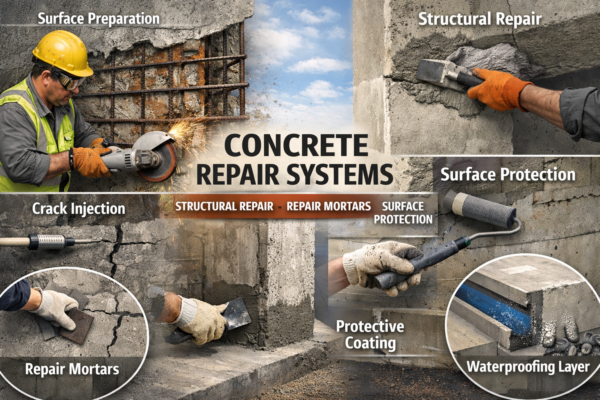
Cement based waterproofing products are commonly applied by brush, roller, trowel or spray, depending on the formulation and the project needs. Official technical pages for cementitious waterproof mortars specifically describe application by brush, spray or trowel and position these materials for concrete and mortar surfaces where direct bonded waterproof protection is needed.
But the key point is not only the tool used. The real application logic starts with the substrate. Cementitious systems work best when the surface is properly prepared, structurally sound and integrated into a complete waterproofing approach. Official below-ground waterproofing references stress that waterproof mortars should be used together with suitable joint sealing and connection detailing, and in some cases with drainage and dewatering support.
Where Cement Based Waterproofing Products Are Commonly Used
This product family appears most often in structural waterproofing areas.
Basements and Foundations
Official product and system pages repeatedly list basements and below-ground structures among the main application areas for cementitious waterproofing products. These are spaces where damp soil, seepage and long-term moisture exposure create continuous risk for the structure.
Water Tanks and Water-Retaining Structures
Water reservoirs, tanks and similar structures are another common field. Waterproofing mortar references and product pages regularly mention water tanks, reservoirs and water-retaining structures because cement-based protective layers can be applied directly to mineral substrates in these environments.
Balconies, Bathrooms and Wet Areas
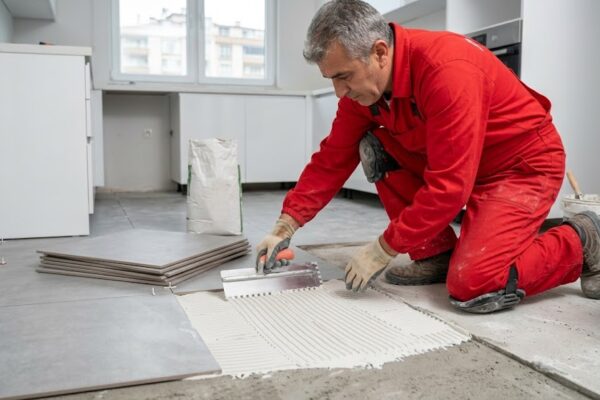
Official product ranges and waterproofing literature also place cementitious products beneath tiling systems and in bathrooms, kitchens, balconies and similar wet service areas. This is one of the reasons they are widely recognized across both structural and finishing stages of construction.
Tunnels and Engineering Structures
Tunnels, retaining walls and other engineering structures also appear repeatedly in official use lists for cementitious waterproofing products. These are applications where durability and water control matter more than appearance, which fits the core logic of cement based waterproofing.
Why the Application Logic Matters
Cement based waterproofing products are often misunderstood as simple coatings, but official technical material shows that they function best as part of a system. The product category is important, but the final performance depends on surface condition, joints, crack behavior, detailing and the type of water exposure involved. Some systems are selected for rigid protection, while others are chosen because polymer modification allows a more flexible response to fine cracking.
So the real value of this product group is not just that it is cement based. Its value lies in how naturally it fits the logic of mineral construction, especially in concrete and masonry environments where water protection must work together with the structure rather than sit on top of it as an isolated layer. This is why cementitious waterproofing continues to hold a stable place in modern waterproofing design.
Conclusion
Cement based waterproofing products remain one of the core waterproofing groups in construction because they combine mineral compatibility, practical application and wide use across basements, water-retaining structures, wet areas and engineering works. Official technical references consistently present them as waterproof mortars or slurries designed to protect concrete and masonry against water infiltration. When chosen according to exposure conditions and used with correct detailing, they remain one of the most established waterproofing solutions in the industry.




Bir yanıt yazın