

Waterproofing is one of the most critical aspects of modern construction. From basements and foundations to bathrooms and water tanks, structures must be protected from water infiltration to ensure durability and structural integrity. Among the many waterproofing solutions available today, cementitious waterproofing systems remain one of the most widely used methods in both residential and commercial construction.
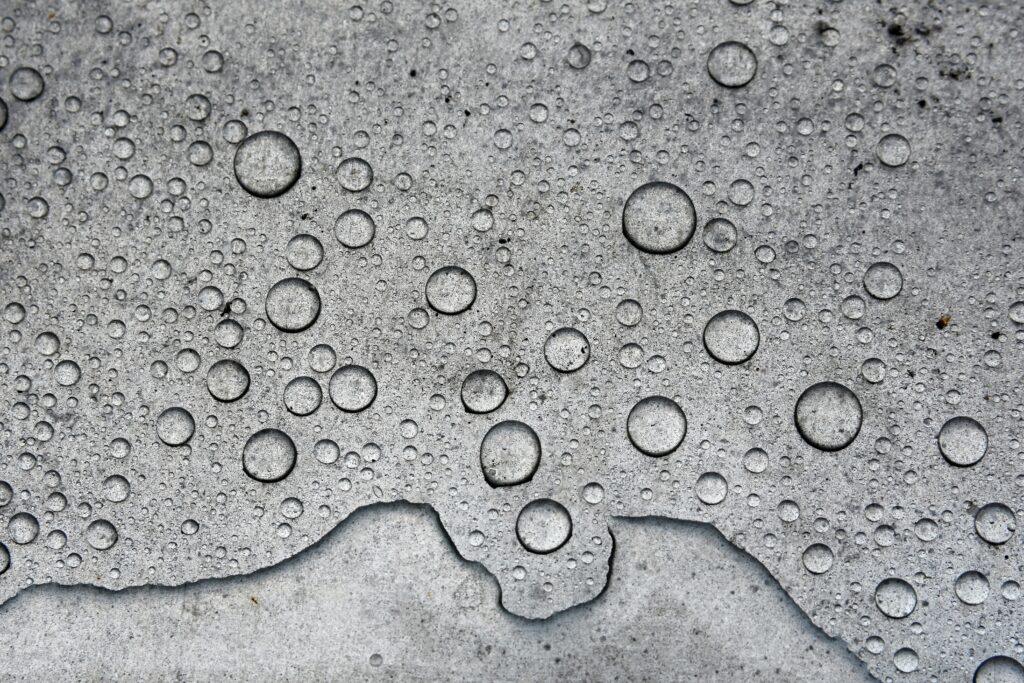
Cementitious waterproofing materials are valued for their ease of application, compatibility with concrete structures, and long-term durability. As construction standards evolve and demand for reliable building protection increases, these systems continue to play an essential role in the global construction chemicals industry.
What is Cementitious Waterproofing?
Cementitious waterproofing refers to waterproof coatings or mortars based on cement, sand, and specialized chemical additives. These materials are typically mixed with water or liquid polymers to form a slurry or mortar that can be applied to concrete or masonry surfaces.
Once applied, the material forms a rigid or semi-flexible waterproof barrier that prevents water penetration while maintaining strong adhesion to the substrate.
Cementitious waterproofing products are commonly supplied in two forms:
- Single-component systems, where the powder is mixed with water.
- Two-component systems, where the powder is mixed with a liquid polymer emulsion to improve flexibility and adhesion.
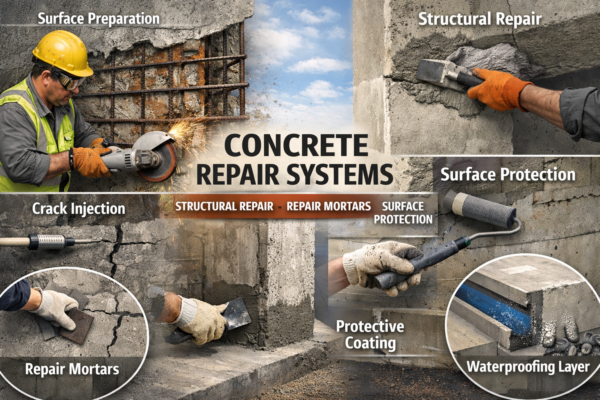
These systems are widely used in areas where concrete and masonry surfaces require reliable moisture protection.
How Cementitious Waterproofing Works
The effectiveness of cementitious waterproofing systems comes from their cement-based matrix combined with waterproofing additives.
When applied to a surface, the material penetrates micro pores and irregularities in the substrate. As it cures, it forms a dense protective layer that reduces water permeability.
In polymer-modified systems, the addition of polymers improves:
- flexibility
- crack-bridging capability
- adhesion to concrete
- resistance to water pressure
This combination allows cementitious coatings to perform effectively in many structural applications.
Key Advantages of Cementitious Waterproofing
Cementitious waterproofing systems offer several advantages compared to other waterproofing technologies.
Ease of Application
One of the biggest benefits is the simplicity of application. These products can typically be applied using:
- brush
- trowel
- roller
- spray equipment
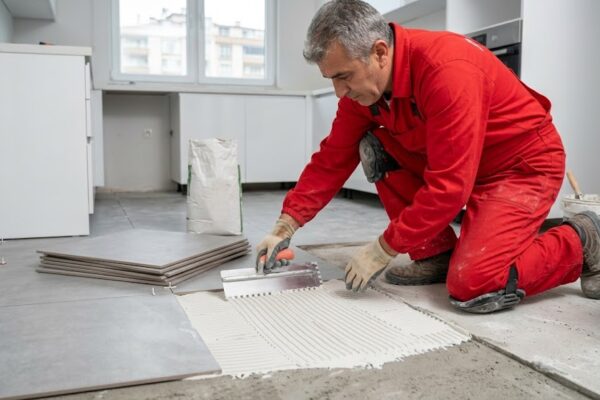
This makes them suitable for both small-scale construction projects and large infrastructure works.
Strong Adhesion to Concrete
Because they are cement-based, these materials bond extremely well to concrete and masonry surfaces. This compatibility reduces the risk of delamination over time.
Durability
Cementitious coatings provide long-term protection against water infiltration and can perform well under constant exposure to moisture.
Cost-Effectiveness
Compared with many membrane systems, cementitious waterproofing is often more economical, especially in projects where large concrete surfaces need protection.
Non-Toxic Formulations
Many cementitious waterproofing systems are suitable for use in potable water tanks and reservoirs, provided they comply with relevant standards.
Common Application Areas
Cementitious waterproofing is used in a wide range of construction environments.
Typical applications include:
- basements and foundations
- water tanks and reservoirs
- bathrooms and wet areas
- balconies and terraces
- swimming pools
- tunnels and underground structures
- retaining walls
Because of their compatibility with concrete, these systems are particularly effective in structural waterproofing projects.
Types of Cementitious Waterproofing Systems
Within this product category, several variations exist depending on the required performance.
Rigid Cementitious Waterproofing
Rigid systems provide a dense waterproof layer but have limited flexibility. They are typically used in structures where movement or cracking is minimal.
Flexible Polymer-Modified Systems
Flexible cementitious waterproofing systems include polymers that enhance elasticity and crack-bridging performance. These products are commonly used in areas exposed to structural movement or temperature changes.
Crystalline Cementitious Waterproofing
Crystalline systems work differently. Instead of forming only a surface coating, they react with moisture and cement particles in the concrete to form insoluble crystals that block capillary pores and prevent water penetration.
Industry Trends and Market Demand
The demand for cementitious waterproofing continues to grow globally. Rapid urbanization, infrastructure development, and stricter building regulations are driving the need for reliable waterproofing solutions.
In many regions, cementitious systems remain the preferred choice for projects such as:
- residential developments
- underground infrastructure
- water treatment facilities
- transportation tunnels
In addition, advances in polymer technology and admixture formulations are improving the flexibility, durability, and performance of modern cementitious waterproofing products.
Conclusion
Cementitious waterproofing systems remain a cornerstone of the construction chemicals industry. Their compatibility with concrete, ease of application, and reliable performance make them a practical solution for a wide range of waterproofing needs.
As construction technologies continue to evolve, these systems are also advancing with improved polymer modifications and innovative additive technologies. For engineers, contractors, and project developers, cementitious waterproofing remains one of the most trusted methods for protecting structures against water damage.




Types of Waterproofing Systems Used in Modern Construction için bir yanıt yazın Yanıtı iptal et